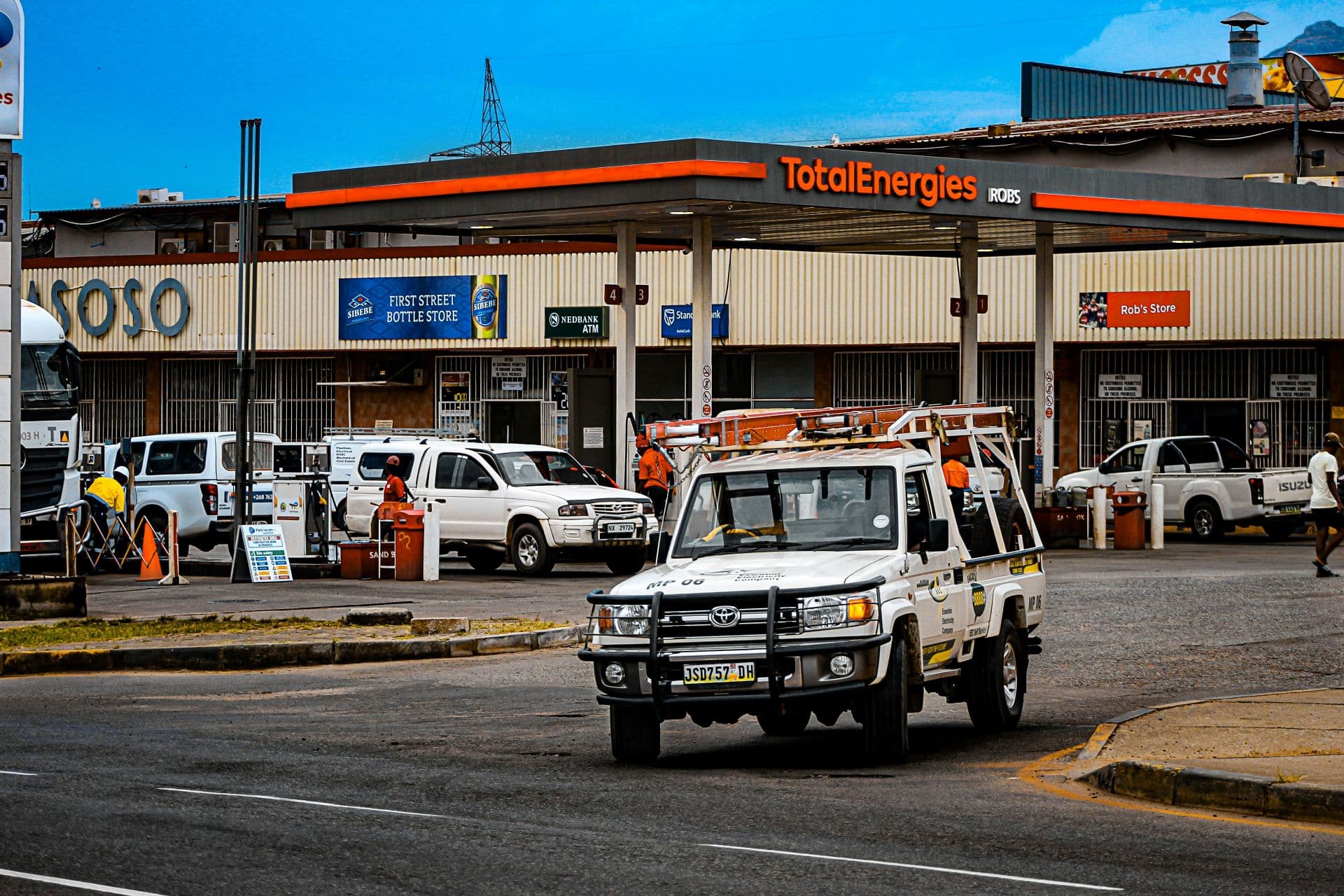
Toyota’s Position In South Africa Is No Accident
Toyota’s dominance in South Africa is often explained through sales figures alone. The brand consistently leads monthly sales charts, dominates the bakkie segment, maintains strong passenger vehicle presence and enjoys remarkable visibility across both urban and rural markets. Yet market share is only the visible layer of something much deeper.
Toyota’s success in South Africa is not simply about producing reliable vehicles. Plenty of manufacturers now build dependable cars. The real differentiator lies in how Toyota has spent decades constructing trust, consistency and emotional familiarity within the local automotive landscape.
The company’s marketing rarely feels loud or desperate. It seldom chases trends aggressively or reinvents itself every few years. Instead, Toyota operates like a long-distance endurance runner while many competitors sprint between campaigns, repositioning exercises and short-term sales pushes.
That approach matters enormously in South Africa, where vehicle purchases are often tied closely to financial caution, long-term reliability and resale confidence.
For many South Africans, buying a car is not just an aspirational lifestyle decision. It is a practical survival decision. The vehicle may become a family transport solution, work tool, business asset or status symbol all at once. Toyota understands this deeply, and its marketing consistently reflects that understanding.

Toyota Sells Predictability In An Unpredictable Market
South Africa is a market shaped by economic pressure, fuel price volatility, load-shedding disruptions and rising living costs. In that environment, uncertainty influences purchasing behaviour more heavily than excitement.
Toyota’s marketing strategy positions the brand as a safe decision.
That sounds simple, but it is extremely powerful.
Consumers are constantly asking themselves difficult questions before purchasing a vehicle.
Will this car last?
Will parts be available?
Can I trust the dealership network?
Will the resale value collapse?
Will mechanics know how to work on it?
Can I still afford this vehicle five years from now?
Toyota’s advertising and broader brand positioning consistently answer those questions before customers even ask them out loud.
This is one of the brand’s greatest strengths. Toyota does not merely market features. It markets reassurance.
While some manufacturers focus heavily on futuristic technology, dramatic styling or luxury positioning, Toyota often emphasises durability, practicality and ownership confidence. Those themes resonate strongly in South Africa because they align with everyday realities rather than fantasy lifestyles.
The result is a brand identity built around predictability, reliability and low emotional risk.
That may sound less glamorous than disruptive innovation, but in automotive marketing, trust often outperforms excitement over the long term.
The Hilux Became More Than A Vehicle
No discussion about Toyota marketing in South Africa can happen without addressing the Hilux.
The Toyota Hilux is not simply a successful bakkie. It has evolved into a cultural symbol.
Toyota achieved something exceptionally rare with the Hilux by embedding the product into multiple layers of South African identity simultaneously.
The vehicle appeals to farmers, contractors, mining operators, fleet buyers, outdoor enthusiasts and urban professionals alike. It appears equally comfortable on a construction site, game reserve or suburban driveway.
Toyota’s marketing helped create this universality carefully over time.
Hilux campaigns frequently emphasise toughness, reliability and capability, but they avoid becoming overly aggressive or hyper-masculine. Instead, the messaging often focuses on dependability and resilience.
That distinction matters.
Toyota rarely portrays the Hilux as reckless or extreme. It is usually presented as trustworthy, capable and ready for hard work. The vehicle becomes a partner rather than a toy.
This aligns closely with South African consumer psychology, particularly outside luxury segments.
Vehicles in South Africa are frequently judged according to utility and endurance. Consumers want products that survive difficult roads, inconsistent infrastructure and demanding usage conditions.
Toyota consistently reinforces the idea that the Hilux can handle those realities without drama.
Eventually, that message compounds into reputation.
At a certain point, Toyota no longer needs to convince consumers aggressively. Public perception starts reinforcing the marketing organically.
People recommend the Hilux to family members.
Businesses standardise fleets around it.
Mechanics trust it.
Dealers trust it.
Second-hand buyers seek it out.
That ecosystem becomes incredibly difficult for competitors to disrupt.
Consistency Is Toyota’s Hidden Superpower
One of the most underrated elements of Toyota’s marketing success is consistency.
Many automotive brands constantly reinvent their identity. Logos evolve dramatically. Messaging changes every few years. Slogans disappear. Target audiences shift rapidly.
Toyota moves far more carefully.
Its campaigns may modernise visually, but the underlying message remains remarkably stable across decades.
Reliability.
Trust.
Durability.
Value.
Peace of mind.
These themes appear repeatedly across Toyota’s local advertising, sponsorships, dealer communication and product positioning.
Consistency creates familiarity, and familiarity creates confidence.
In South Africa, where consumers are often skeptical of corporate promises, consistency becomes especially valuable. Buyers want to know the brand they trust today will still behave similarly tomorrow.
Toyota’s marketing rarely creates cognitive dissonance.
The rugged Hilux image aligns with real-world performance.
The reliability messaging aligns with ownership experience.
The resale value reputation aligns with market behaviour.
The dealership footprint aligns with accessibility promises.
This alignment between messaging and reality is crucial.
Many brands produce excellent advertisements but fail to deliver consistent ownership experiences afterward. Toyota’s strength lies in the fact that the marketing usually feels believable because consumer experiences reinforce it continuously.
That feedback loop becomes a long-term competitive advantage.
Toyota Understands Rural South Africa Better Than Most Brands
Many automotive manufacturers focus heavily on metropolitan marketing strategies. Their campaigns are designed primarily around urban consumers, premium lifestyles and digital-first experiences.
Toyota’s approach in South Africa is broader and more grounded geographically.
The company has long understood the importance of rural and semi-rural markets.
This matters enormously because vehicle needs outside major cities differ substantially from urban priorities.
Durability matters more.
Ground clearance matters more.
Service accessibility matters more.
Load-carrying ability matters more.
Reliability becomes non-negotiable.
Toyota’s product range and marketing strategy consistently acknowledge these realities.
The brand’s dealership and service network also reinforces this positioning. Consumers are more likely to trust a manufacturer when they know support infrastructure exists beyond major urban centres.
Toyota has spent decades building visibility in communities where some competitors remain relatively absent.
That visibility creates psychological familiarity.
When consumers repeatedly encounter Toyota vehicles in agriculture, logistics, security and municipal work, the brand gains authority through exposure alone.
People start associating Toyota with functional success.
The vehicles become woven into everyday economic activity.
That level of integration cannot be built overnight through advertising alone.
Resale Value Became A Marketing Tool
One of Toyota’s smartest long-term achievements in South Africa is transforming resale value into part of the brand narrative.
Most car manufacturers advertise purchase value.
Toyota advertises ownership value.
That distinction changes everything.
South African buyers often think carefully about long-term financial implications when purchasing vehicles. A car with strong resale value effectively reduces ownership risk.
Toyota’s reputation for retaining value strengthens customer confidence before purchase even happens.
This creates a powerful cycle.
Strong resale values encourage new purchases.
High demand strengthens used values.
Strong used values reinforce brand trust.
Brand trust drives additional demand.
Toyota benefits enormously from this self-sustaining ecosystem.
Importantly, the company rarely communicates resale value in an overly technical way. Instead, the idea exists subtly within broader consumer perception.
People simply “know” Toyotas hold value well.
That reputation spreads conversationally between consumers, families and businesses.
At that point, the marketing almost becomes decentralised. Owners themselves reinforce the brand message repeatedly through lived experience.
Very few marketing outcomes are more powerful than that.
Toyota Rarely Feels Desperate
An interesting aspect of Toyota’s communication style is emotional restraint.
Many struggling automotive brands overcompensate through aggressive campaigns, exaggerated promises or flashy repositioning efforts.
Toyota rarely appears anxious.
Its campaigns generally feel calm, confident and measured.
That emotional tone reinforces the perception of stability.
Consumers subconsciously interpret confident restraint as evidence of institutional strength.
Toyota does not constantly need to prove itself because decades of market leadership already established credibility.
This allows the company to market from a position of authority rather than insecurity.
Even when competitors launch highly aggressive campaigns or attempt disruptive messaging, Toyota often stays remarkably disciplined.
That discipline protects long-term brand identity.
The company avoids dramatic swings that might confuse existing customers or dilute trust.
In marketing terms, Toyota behaves more like a utility provider than a fashion label.
That sounds unexciting on paper, but it works exceptionally well in the South African automotive environment.
Sponsorships And Visibility Reinforce Everyday Trust
Toyota’s marketing extends beyond traditional advertising.
The brand maintains strong visibility through sponsorships, sports involvement and community integration. These activities help position Toyota as part of everyday South African life rather than simply a multinational corporation selling vehicles.
Repeated exposure matters psychologically.
Consumers who encounter Toyota branding consistently across multiple contexts develop familiarity and trust over time.
This effect becomes stronger when the brand presence feels stable and long-term rather than opportunistic.
Toyota’s sponsorship strategy generally aligns with mainstream accessibility rather than niche exclusivity. The company often associates itself with broad national visibility instead of highly specialised luxury positioning.
That reinforces the idea that Toyota is for everyone.
The brand’s accessibility is one of its greatest assets.
Luxury manufacturers often rely on aspiration and exclusivity. Toyota relies more heavily on inclusion and dependability.
In a diverse market like South Africa, that broader appeal creates significant advantages.
Toyota’s Dealer Network Strengthens The Brand Promise
Marketing is not only about advertising campaigns. Customer experience infrastructure matters equally.
Toyota’s extensive dealer and service network plays a major role in reinforcing its marketing success.
Consumers trust brands more when physical support feels accessible.
A powerful advertisement means very little if ownership becomes frustrating afterward.
Toyota’s broad footprint helps reduce anxiety around maintenance, repairs and parts availability.
This matters particularly in South Africa, where logistical concerns can heavily influence purchasing decisions.
Customers want reassurance that assistance will remain available throughout ownership.
Toyota’s dealer consistency also contributes to overall brand perception. While experiences vary across individual dealerships, the broader network communicates permanence and scale.
The company feels established.
That stability strengthens trust psychologically.
In uncertain economic environments, institutional reliability becomes a major competitive advantage.

Toyota Understands The Power Of Intergenerational Trust
One of Toyota’s most valuable assets in South Africa is inherited brand loyalty.
Many buyers grew up around Toyota vehicles.
Parents owned Corollas.
Family businesses operated Hiluxes.
Taxi operators trusted Quantums.
Relatives recommended Fortuners.
These experiences shape consumer attitudes long before active purchasing decisions begin.
Toyota benefits enormously from accumulated generational trust.
This is where long-term brand positioning becomes extraordinarily powerful.
A consumer who watched Toyota vehicles perform reliably throughout childhood enters adulthood already carrying positive assumptions about the brand.
Toyota’s marketing rarely attempts to fight against those perceptions. Instead, it reinforces them carefully.
The company understands that maintaining trust is often more valuable than chasing radical reinvention.
That patience separates Toyota from many competitors who constantly attempt to redefine themselves.
Local Manufacturing Strengthens Credibility
Toyota’s South African manufacturing presence also contributes meaningfully to its brand strength.
Consumers generally respond positively to companies perceived as investing locally.
Toyota’s production operations create employment visibility and economic relevance beyond simple vehicle sales.
This helps the brand feel rooted within the South African economy rather than disconnected from it.
Local manufacturing also supports another important psychological factor: permanence.
Consumers trust companies that appear committed to the market long term.
Toyota’s operational footprint reinforces the idea that the brand is deeply embedded within South Africa’s automotive ecosystem.
That perception enhances confidence in aftersales support, parts supply and long-term ownership viability.
Again, these are subtle psychological advantages, but they compound enormously over time.
Toyota Balances Emotion And Practicality Carefully
Toyota’s marketing is not purely rational.
While practicality remains central, the brand still incorporates emotional storytelling effectively.
The difference is that Toyota’s emotional messaging usually stays grounded in relatable realities rather than exaggerated fantasy.
Advertisements often focus on family, reliability, journeys, work and shared experiences.
The emotional appeal comes from security and dependability rather than pure excitement.
This approach aligns strongly with South African consumer priorities.
Many buyers want vehicles that improve daily life meaningfully, not just visually impress strangers.
Toyota understands this distinction extremely well.
Its campaigns often position vehicles as enabling lifestyles rather than defining identity entirely.
That creates a more sustainable emotional relationship with consumers.
Competitors Often Chase Segments While Toyota Owns Categories
Another reason Toyota marketing works so effectively is because the company often positions itself around entire vehicle categories rather than narrow demographics.
The Hilux is not marketed solely to one personality type.
The Corolla is not restricted to one age group.
The Fortuner spans multiple lifestyle identities simultaneously.
This broad positioning increases market resilience.
When economic conditions shift or consumer preferences evolve slightly, Toyota’s products often remain relevant across multiple customer groups.
Some competitors build campaigns around very specific aspirational identities. While this can generate short-term excitement, it also risks limiting audience breadth.
Toyota generally avoids over-specialisation.
Its messaging stays flexible enough to appeal widely while remaining consistent enough to maintain identity.
That balance is difficult to achieve, but Toyota executes it remarkably well.
The Brand Rarely Overcomplicates Communication
One of Toyota’s understated strengths is clarity.
Its marketing messages are usually straightforward and accessible.
Consumers quickly understand what the brand stands for.
That clarity matters enormously in crowded automotive markets where buyers are overwhelmed by technical specifications, financing structures and competing promises.
Toyota simplifies decision-making psychologically.
The consumer does not need to decode complicated brand philosophy.
The message remains familiar and understandable.
Reliable vehicles.
Strong support.
Long-term value.
Dependable ownership.
These themes may sound basic, but simplicity often outperforms complexity in mass-market automotive advertising.
Especially in South Africa, where audiences span multiple income groups, languages and geographic realities, clear communication becomes highly effective.
Toyota’s messaging travels well across those diverse contexts.
Toyota’s Marketing Benefits From Real-World Visibility
A major reason Toyota advertising feels believable is because consumers constantly encounter the vehicles in everyday life.
The roads themselves become part of Toyota’s marketing ecosystem.
People see Hiluxes working on farms.
They see Quantums transporting passengers.
They see Corollas in residential areas.
They see Fortuners in shopping centre parking lots.
This real-world saturation reinforces advertising naturally.
Every visible Toyota becomes silent proof of the brand’s reliability and popularity.
That level of organic visibility reduces the burden on traditional marketing campaigns.
Consumers trust what they observe repeatedly in daily life.
Toyota benefits tremendously from this phenomenon because its products already occupy such a large share of the national vehicle landscape.
Digital Marketing Did Not Replace Toyota’s Core Identity
Many automotive brands struggled during the transition into digital-first marketing environments.
Some abandoned long-standing identity elements in pursuit of social media relevance.
Toyota adapted more cautiously.
The company embraced digital marketing channels while preserving core brand consistency.
This prevented identity fragmentation.
Toyota’s digital campaigns generally still reinforce familiar themes rather than attempting radical personality shifts.
That continuity matters because strong brands are built through repetition and reinforcement over long periods.
South African consumers encounter Toyota messaging across television, radio, outdoor advertising, dealerships and digital platforms, yet the underlying identity remains cohesive.
That coherence strengthens memory retention and trust.
Toyota Avoids Alienating Mainstream Buyers
Some automotive brands increasingly position themselves around niche political, technological or lifestyle identities.
Toyota typically stays more neutral and broadly accessible.
This strategy works particularly well in South Africa’s highly diverse social and economic environment.
The company avoids messaging that might alienate mainstream consumers unnecessarily.
Instead, Toyota focuses heavily on universal themes like reliability, family, work and mobility.
These ideas resonate across multiple demographic groups.
Mass-market leadership requires broad relatability.
Toyota understands this deeply.
The brand rarely behaves as though it is speaking only to a specific urban subculture or aspirational elite audience.
That inclusivity supports wider market penetration.
Long-Term Thinking Defines Toyota’s Success
Perhaps the most important reason Toyota marketing works so well in South Africa is patience.
The company thinks long term.
Its positioning has been built gradually across decades rather than quarters.
Many competitors operate reactively, responding aggressively to short-term market pressure or temporary consumer trends.
Toyota tends to move more deliberately.
This patience allows trust to compound steadily over time.
The brand does not need constant reinvention because it already owns powerful psychological territory in consumers’ minds.
Toyota represents certainty.
In South Africa’s automotive environment, certainty has enormous value.
Consumers facing economic pressure, infrastructure challenges and rising ownership costs gravitate naturally toward brands that reduce perceived risk.
Toyota consistently positions itself as the dependable answer to those concerns.
That positioning is not glamorous in the traditional advertising sense.
It is something far more powerful.
It is believable.

Toyota’s Real Achievement Is Emotional Reliability
At its core, Toyota’s marketing success in South Africa is not purely about vehicles.
It is about emotional reliability.
Consumers trust the brand to behave predictably.
They trust the vehicles to perform consistently.
They trust the resale value to remain strong.
They trust the dealer network to exist tomorrow.
They trust parts availability.
They trust the ownership experience.
That level of institutional trust is incredibly difficult to build and extremely easy to lose.
Toyota protected it carefully over decades through disciplined marketing, product consistency and strong operational alignment.
The company rarely chases temporary excitement at the expense of long-term credibility.
That restraint helped Toyota become more than just a successful car manufacturer in South Africa.
It became the automotive equivalent of dependable infrastructure.
And in a country where uncertainty often shapes consumer behaviour, that may be the most powerful marketing position of all.
Breyten Odendaal
Specializing in high-performance automotive advertising and digital marketing solutions, delivering cutting-edge insights and the latest news shaping the automotive industry in South Africa.
More From Advertising

Automotive Digital Ads in South Africa: A Shift
Exploring how South Africa’s automotive advertising evolved from print and broadcast to data-driven, programmatic digital ecosystems.

The Video Shift in Car Buying Decisions in SA
Explore how video content shapes car purchase decisions in South Africa, comparing short-form and long-form strategies for automotive marketers.

Why Automotive Ads Must Think Like E-Commerce
Automotive ads in South Africa need e-commerce style conversion thinking to boost leads, optimise funnels, and improve dealership ROI.